
Low Glycemic Index Food Guide
Explore comprehensive information about low-glycemic foods, their benefits, and how they can support stable blood sugar levels. Our editorial platform offers research-backed articles and practical guidance.
The information on this site is for educational purposes only and does not constitute medical advice. Always consult a qualified healthcare professional before making health decisions.
Filter by Category
Featured Food Guides & Articles
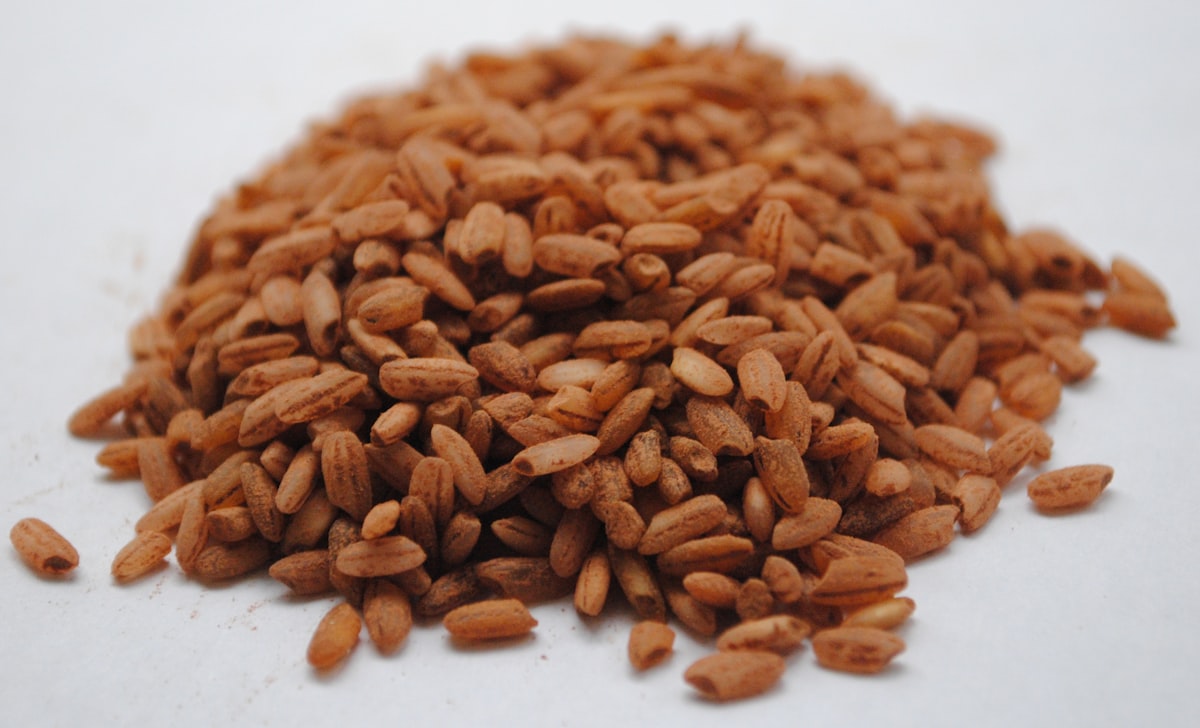
Non-Starchy Vegetables: Your Low GI Foundation
Discover which vegetables have minimal impact on blood sugar levels. Learn about leafy greens, cruciferous vegetables, and bell peppers—all excellent choices for maintaining stable glucose throughout the day.
Learn More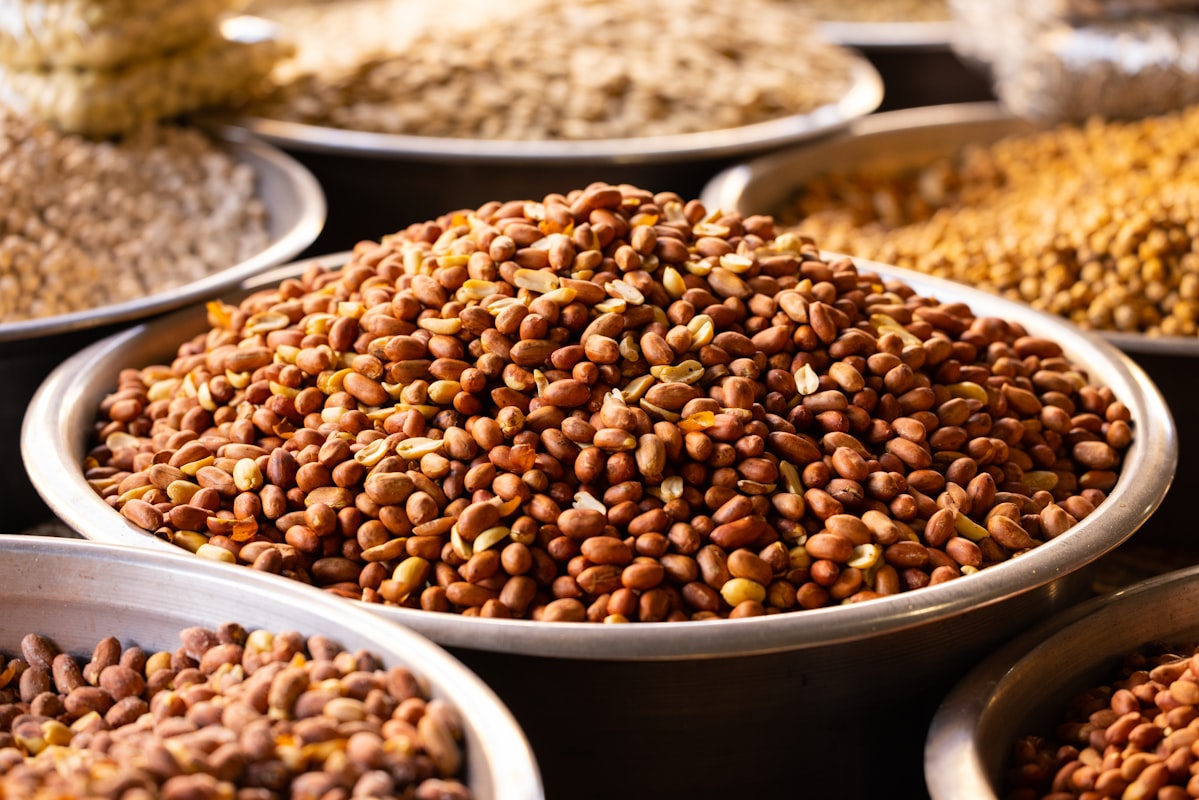
Best Low Glycemic Fruits: Berries and Beyond
Explore fruits that fit perfectly into a low glycemic lifestyle. From strawberries and raspberries to apples and oranges, understand how to enjoy fruit while keeping blood sugar balanced.
Learn More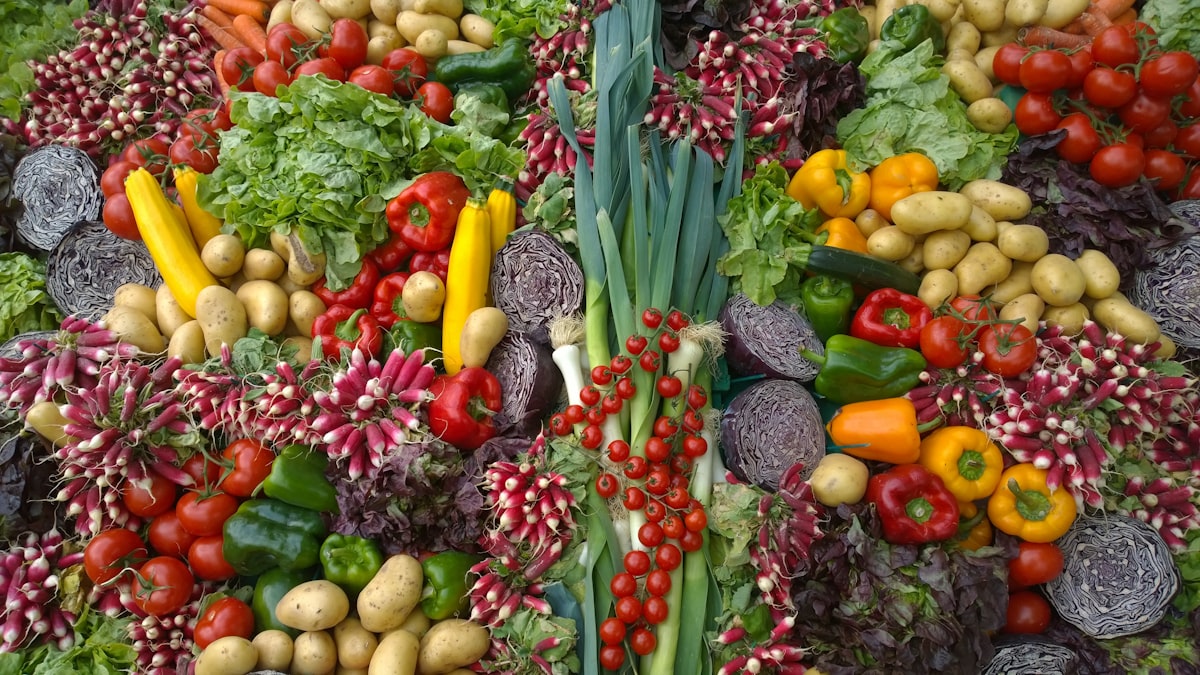
Whole Grains & Seeds: Complex Carbohydrates Explained
Understand the difference between refined and whole grains. Learn why oats, quinoa, barley, and legumes are excellent sources of fiber and how they support sustained energy and stable glucose levels.
Learn More
Protein & Blood Sugar: How Proteins Stabilize Glucose
Discover how quality proteins—from fish and poultry to nuts and seeds—help slow carbohydrate absorption and promote stable blood sugar. Explore plant-based and animal-based options for balanced nutrition.
Learn More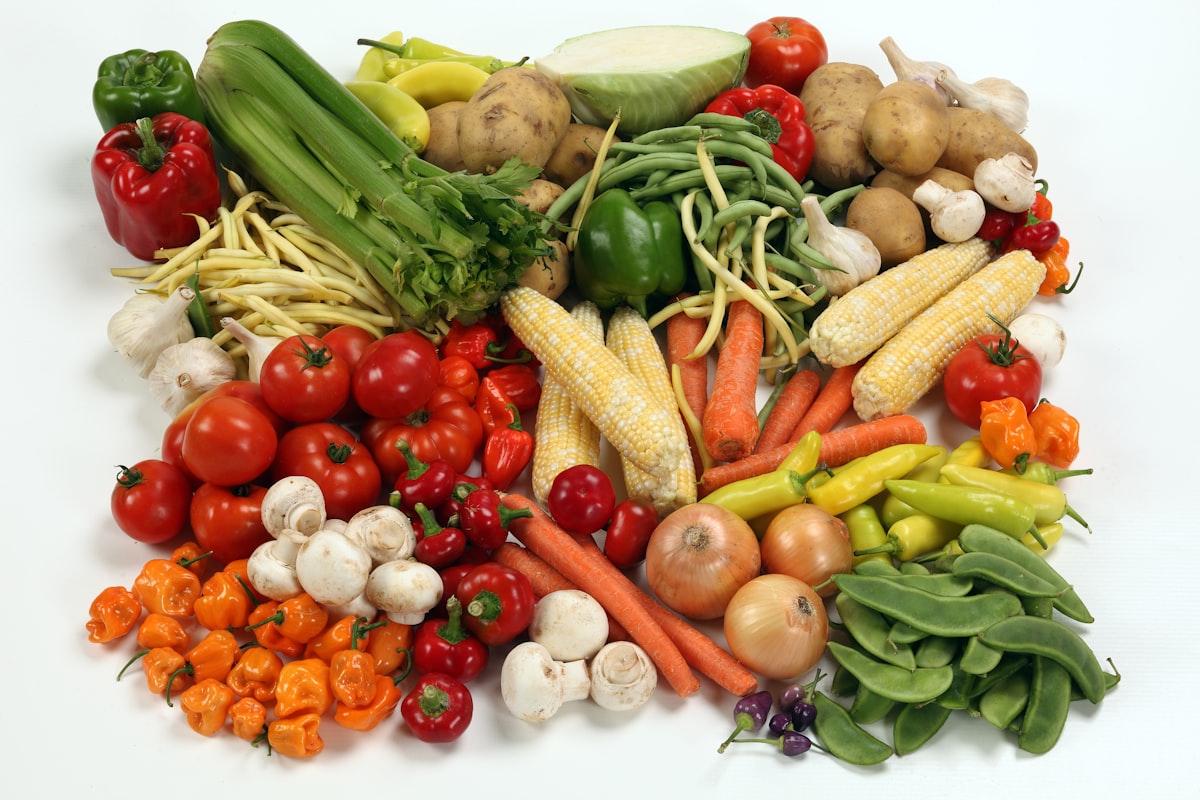
Legumes and Pulses: Nutrient-Dense Low GI Foods
Learn why lentils, chickpeas, and beans are nutritional powerhouses with excellent low glycemic properties. Understand their fiber content, protein value, and how to incorporate them into daily meals.
Learn More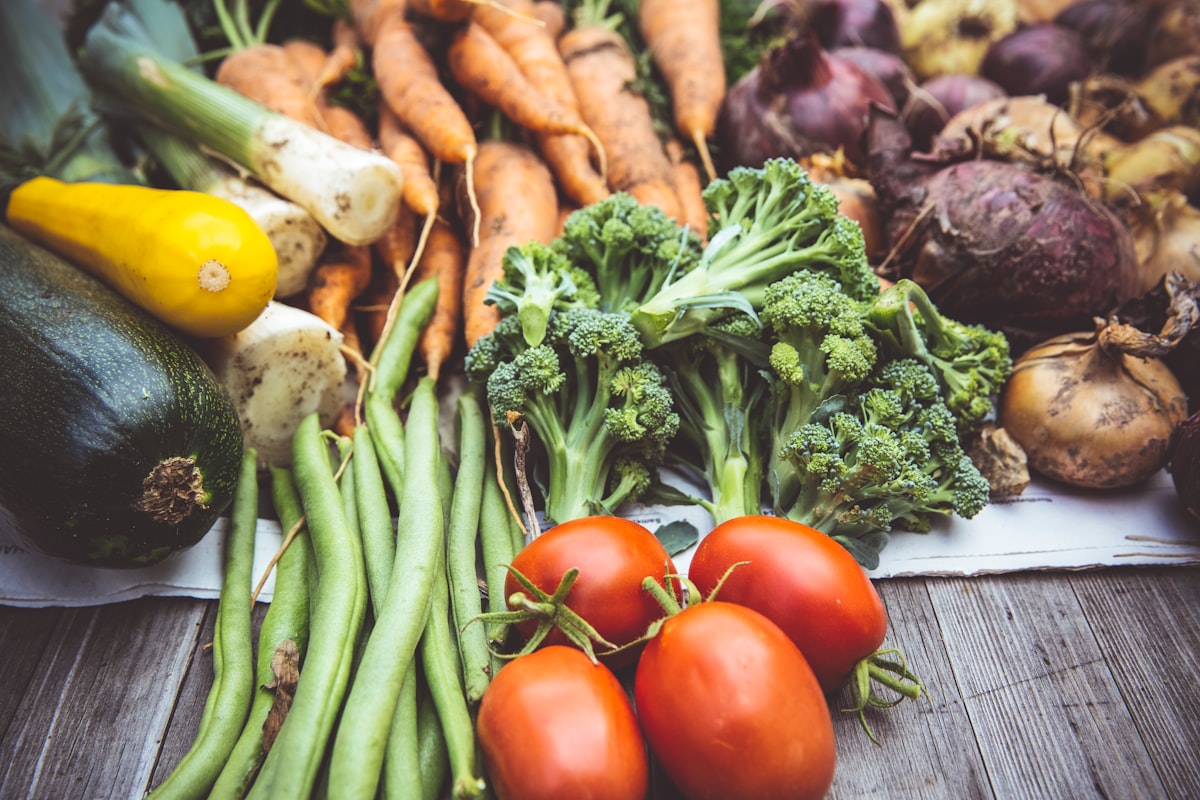
Dairy Products: Selecting the Right Options
Explore low-glycemic dairy choices including Greek yogurt, aged cheeses, and unsweetened milk alternatives. Understand how to choose dairy products that support your glucose management goals.
Learn More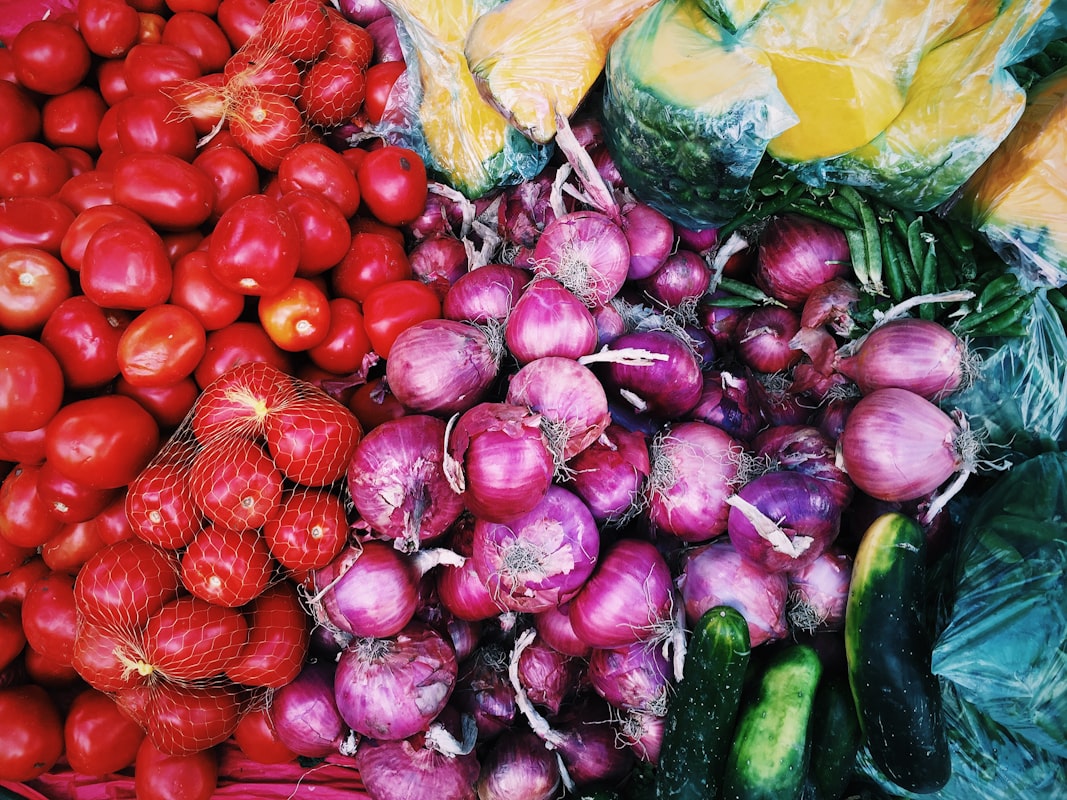
Building Balanced Meals: Plate Composition Guide
Learn how to construct meals that minimize glucose spikes. Discover the ideal ratio of vegetables, proteins, and healthy fats, plus timing strategies and portion control recommendations for sustained energy.
View Recipes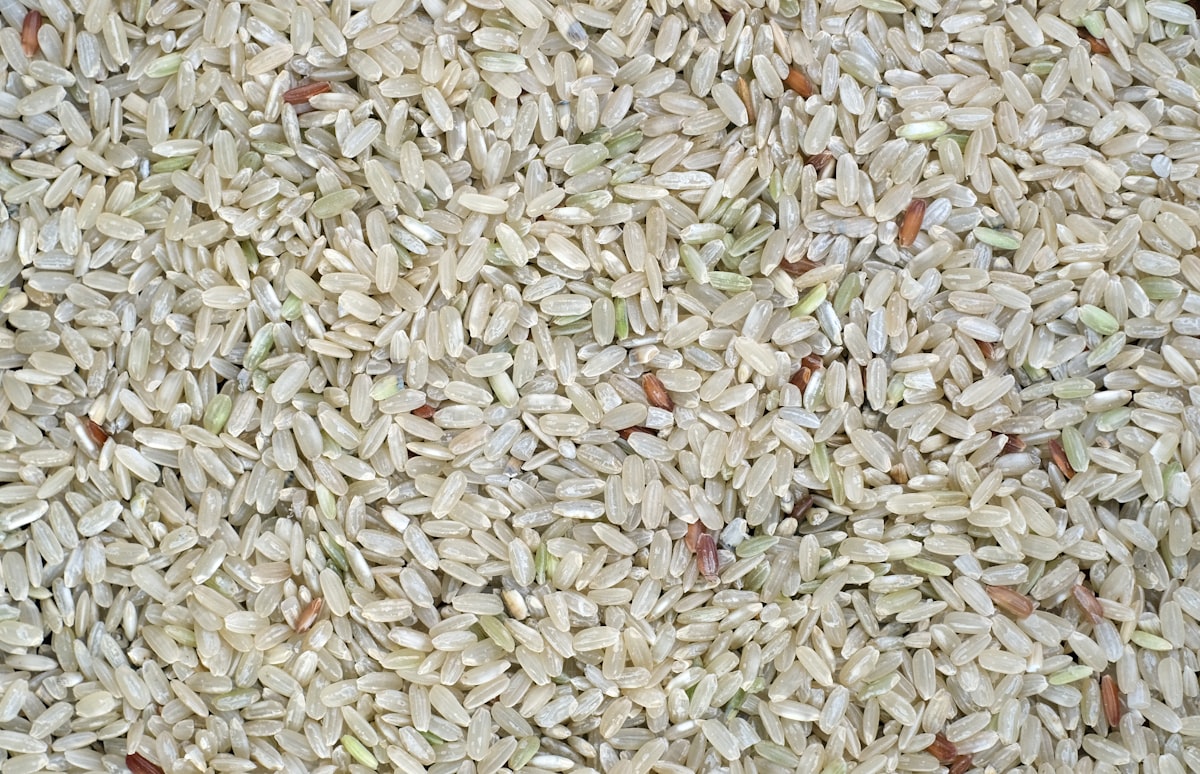
Reading Food Labels: Understanding Glycemic Impact
Master the skill of reading nutrition labels to identify low-glycemic products. Learn about net carbs, fiber content, sugar sources, and how to make informed choices when shopping for groceries.
Learn MoreHow to Use This Guide
Understand Glycemic Index
Start by learning what the Glycemic Index is, how it's measured, and why it matters for stable blood glucose. Our comprehensive overview breaks down the science in an accessible way.
Explore Food Categories
Browse our detailed guides on vegetables, fruits, grains, proteins, legumes, and dairy. Each category includes specific foods, their GI values, and nutritional benefits for your reference.
Apply to Your Meals
Use our recipes and meal planning articles to implement low-glycemic eating in your daily life. Discover practical tips, cooking methods, and flavor combinations for sustainable dietary changes.
Frequently Asked Questions

Understanding the Science Behind Glycemic Index
The Glycemic Index provides a framework for understanding how different foods affect blood glucose levels. Unlike simple calorie counting, GI focuses on the quality of carbohydrates and their impact on your body's glucose response.
Low-glycemic foods are digested more slowly, providing steady glucose release into the bloodstream. This supports consistent energy levels, improved focus, and better appetite control. The combination of low-GI foods with adequate protein and healthy fats creates the most balanced metabolic response.
Our editorial platform offers evidence-based information about how dietary choices influence blood glucose management. Whether you're exploring this topic for general health knowledge or specific dietary considerations, our comprehensive guides break down complex nutritional science into practical, actionable information.
- Stable Energy Levels: Low-GI foods provide sustained glucose release, preventing energy crashes and promoting consistent mental clarity throughout the day.
- Improved Appetite Control: Foods with lower glycemic impact promote satiety and help regulate hunger hormones, supporting balanced eating patterns.
- Long-term Nutrition Strategy: Understanding GI helps you make informed food choices that support overall wellness and sustainable dietary habits.
Community Experiences & Insights
"This guide completely changed how I approach eating. I never understood why I felt tired in the afternoon until I learned about glycemic index. Now I choose foods that keep my energy steady, and the recipes are actually delicious. It's refreshing to find information that's evidence-based and practical."
Markéta Svobodová
Prague, Czech Republic
"As someone interested in nutrition but without a science background, I found the explanations clear and accessible. The food categories breakdown is exactly what I needed. The meal planning section gave me ideas I never considered before. Definitely bookmarking this resource for future reference."
David Novotný
Brno, Czech Republic
"I've tried many diets, but this approach to understanding food through GI finally makes sense to me. The guide helped me realize that I don't have to eliminate foods—just make smarter combinations. The recipes section is wonderful, and everything is organized beautifully."
Helena Kučerová
Ostrava, Czech Republic
"Perfect resource for understanding what low glycemic index really means. The FAQ section answered questions I didn't even know to ask. The combination of scientific explanation with practical application is exactly what I was looking for. Highly recommend."
Tomáš Králíček
Olomouc, Czech Republic
Explore More Resources
Healthy Recipes
Discover delicious glucose-friendly recipes designed to keep your blood sugar stable.Explore Recipes
Meal Plans
Customizable weekly meal plans tailored to your glucose management goals.
View PlansEducational Hub
Learn about glucose metabolism, nutrition science, and lifestyle strategies.
Learn MoreFrequently Asked Questions
What is healthy glucose management?
Healthy glucose management involves maintaining stable blood sugar levels through balanced nutrition, regular exercise, stress management, and lifestyle choices. It's essential for preventing chronic diseases and maintaining energy throughout the day.
How can I track my glucose levels?
You can track glucose levels using continuous glucose monitors (CGMs), blood glucose meters, or our digital tools. Regular monitoring helps you understand how different foods and activities affect your blood sugar.
Are your meal plans suitable for diabetics?
Our meal plans are designed to support healthy glucose levels for everyone, including those managing diabetes. However, always consult with your healthcare provider before making significant dietary changes.
How often should I exercise for glucose management?
The WHO recommends at least 150 minutes of moderate aerobic activity per week, plus strength training 2 days weekly. Regular movement helps improve insulin sensitivity and glucose uptake by muscles.
Ready to Transform Your Health?
Join thousands of people who've taken control of their glucose levels and improved their overall wellness with Healthyglucosepathhub.