
Master Low Glycemic Index Nutrition
Understanding how different foods affect your blood glucose levels is the foundation of making informed dietary choices. This comprehensive guide walks you through the science, practical applications, and proven strategies for embracing a low glycemic index lifestyle.
The information on this site is for educational purposes only and does not constitute medical advice. Always consult a qualified healthcare professional before making health decisions.
Quick Facts About Low GI Eating
Low GI Range: Foods with a glycemic index score in this range are considered low glycemic.
Blood Glucose: Low GI foods provide sustained energy without rapid spikes and crashes.
Approach: This is a lifestyle choice, not a restrictive diet, but a sustainable eating pattern.
Foundation: Based on extensive nutritional research and decades of practical application.
Core Benefits of Low Glycemic Index Foods
Adopting a low GI eating approach offers multiple interconnected benefits that extend far beyond simple blood glucose management. Here are the key advantages our community members consistently experience.
Sustained Energy Throughout the Day
Low GI foods release glucose gradually into your bloodstream, providing consistent energy levels without the afternoon energy crashes. This stable fuel supply helps you stay focused, productive, and engaged in your daily activities without relying on stimulants.
Supports Cardiovascular Health
Research in nutritional science shows that low GI eating patterns support healthy cholesterol levels and overall cardiovascular function. By choosing foods that don't cause rapid glucose spikes, you're making choices that align with heart-healthy nutrition principles.
Enhanced Mental Clarity and Focus
Your brain thrives on stable glucose levels. Low GI foods provide consistent fuel for optimal cognitive function, improving concentration, memory, and mental performance throughout your workday and learning activities.
Natural Appetite Regulation
Low GI foods are typically higher in fiber and protein, which promote satiety and natural appetite control. Many people find they naturally eat smaller portions and experience fewer cravings when following this approach.
Improved Nutrient Density
Many low GI foods are naturally rich in vitamins, minerals, and phytonutrients. By choosing these foods, you're typically increasing your intake of essential nutrients that support overall health and vitality.
Support for Active Lifestyles
Athletes and fitness enthusiasts increasingly adopt low GI principles because these foods provide sustained energy for workouts and better support recovery. Low GI carbohydrates are excellent fuel for endurance activities.
Visual Guide to Low GI Foods
Learn to recognize low glycemic index foods by category. These food groups are the foundation of a sustainable low GI eating pattern.
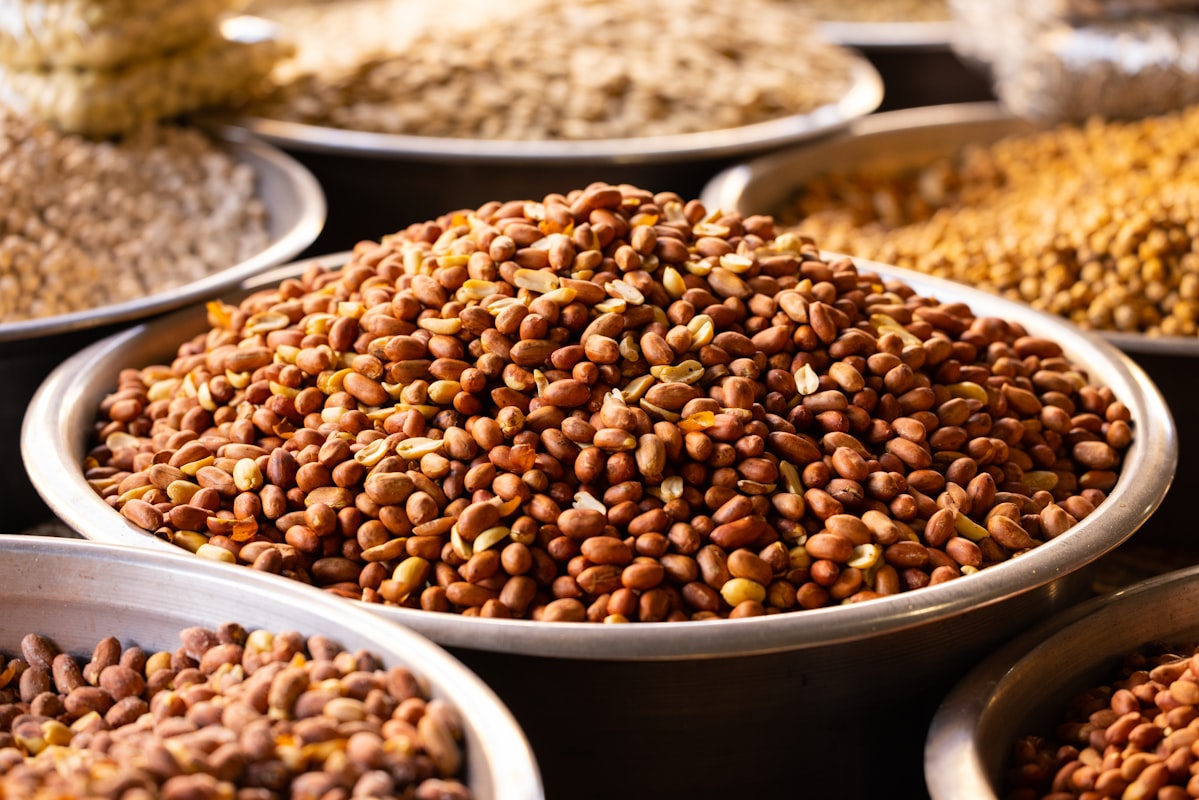
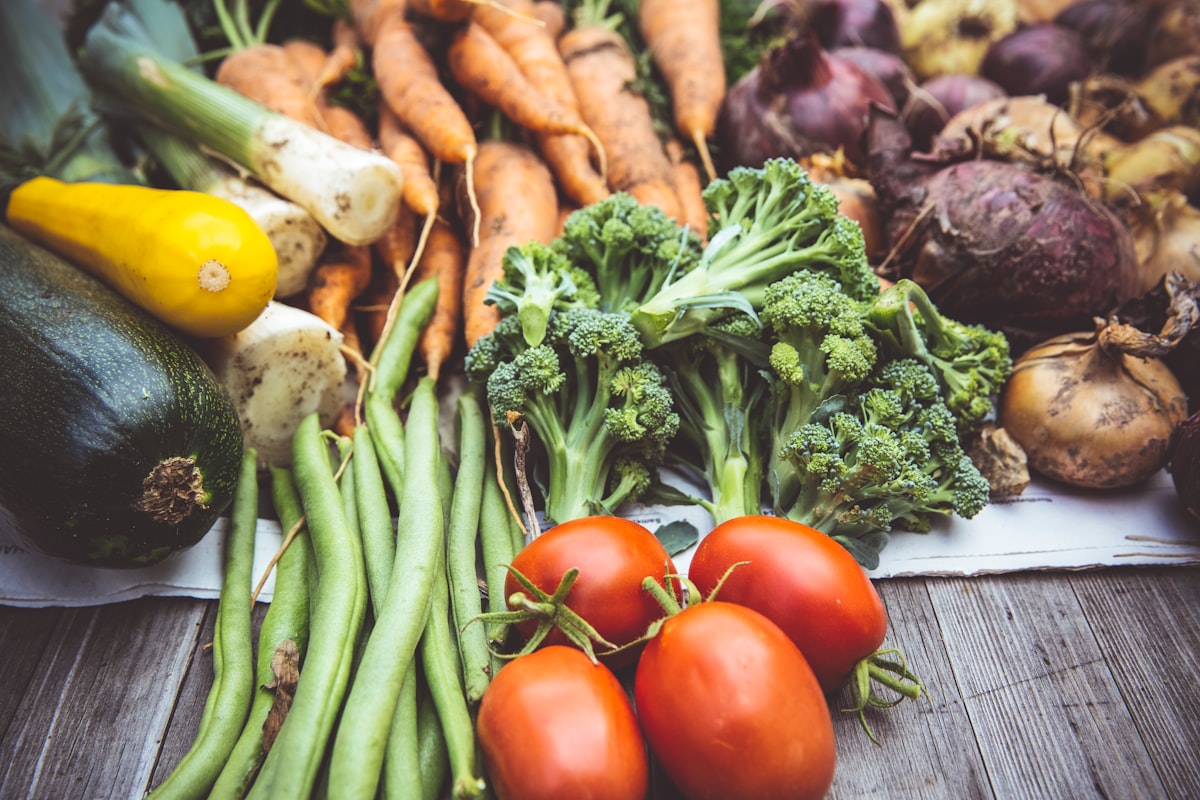
Non-starchy Vegetables
Leafy greens, broccoli, cauliflower, bell peppers, zucchini, and cucumber are excellent low GI choices. These vegetables are nutrient-dense and have minimal impact on blood glucose levels.
GI Range: 0-15
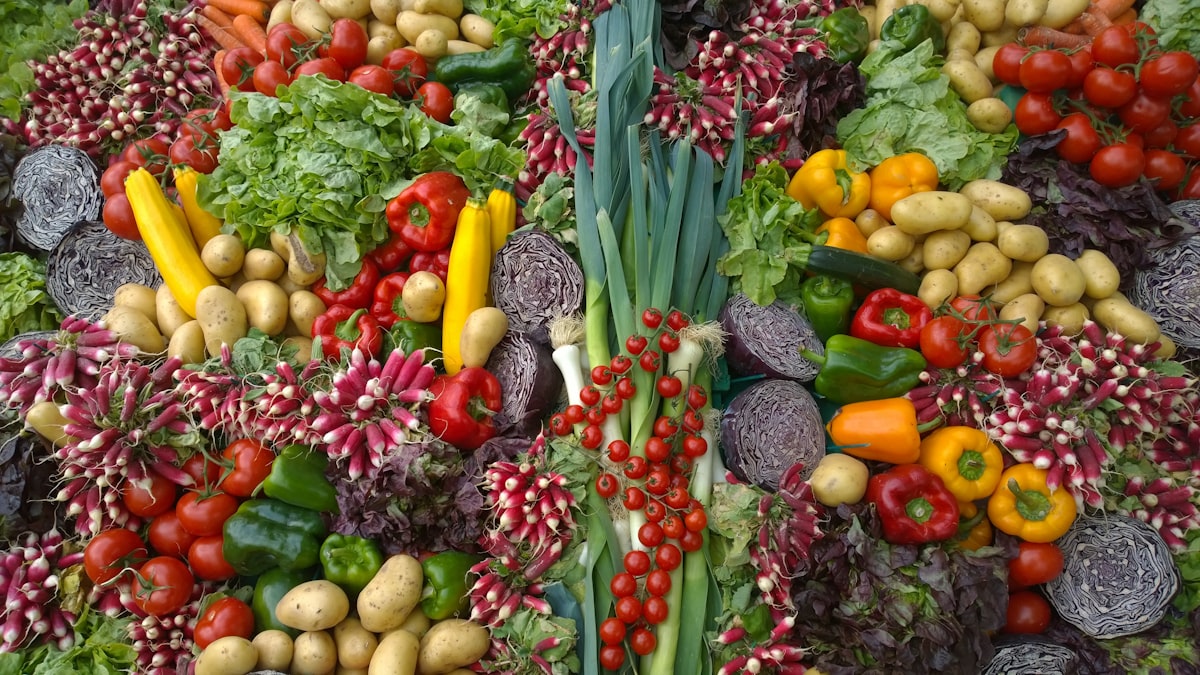
Whole Grains
Oats, barley, whole wheat bread, brown rice, and quinoa are lower on the glycemic index than their refined counterparts. The intact fiber structure slows glucose absorption.
GI Range: 35-55

Legumes & Pulses
Lentils, chickpeas, black beans, and other legumes are protein-rich and have low GI scores. Their combination of fiber and protein makes them ideal low GI foods.
GI Range: 20-40
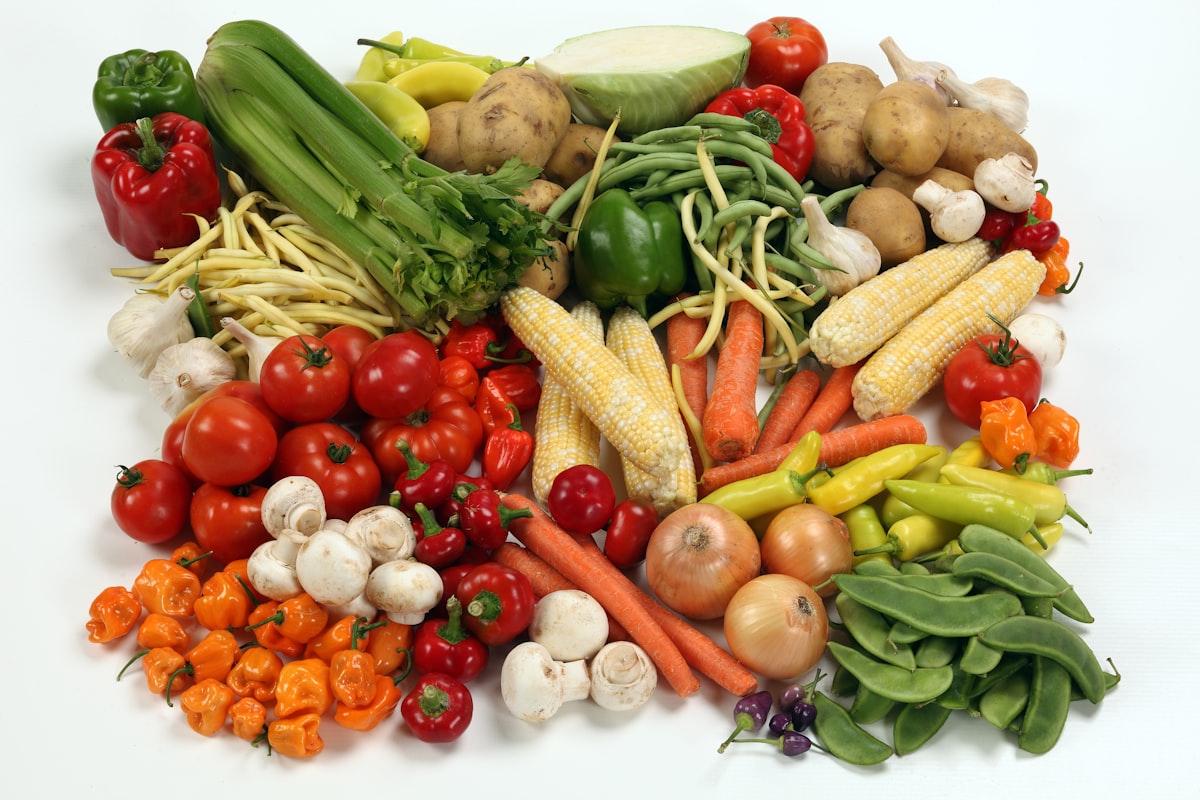
Low GI Fruits
Berries, citrus fruits, apples, and pears are lower GI options compared to tropical fruits. Their high fiber content and lower sugar density make them excellent choices.
GI Range: 25-55
Protein & Healthy Fats
Fish, poultry, eggs, nuts, and seeds have minimal impact on blood glucose. Pairing these with low GI carbohydrates creates balanced, satisfying meals.
GI Range: 0-5
Low GI Dairy Options
Plain yogurt, cheese, and milk have moderate to low GI scores. Choose products without added sugars for the best low GI results.
GI Range: 15-35
Your 5-Step Transition to Low GI Eating
Making the shift to low glycemic index eating doesn't have to be drastic. This gradual approach helps you build sustainable habits and discover which foods work best for your body.
Assess Your Current Eating
Track what you currently eat for a week without changing anything. This baseline helps you understand where you are and what adjustments might be most beneficial.
Learn GI Values
Familiarize yourself with which foods fall into the low GI range (0-55). Start with our food guide and create a reference list of your favorite low GI options.
Make Gradual Swaps
Replace one or two high GI foods each week with low GI alternatives. For example, swap white rice for brown rice or refined bread for whole grain options.
Explore Recipes
Experiment with low GI recipes to discover meals you genuinely enjoy. Browse our recipe collection to find inspiration and practical ideas for daily meals.
Monitor How You Feel
Pay attention to your energy levels, mood, sleep quality, and overall wellness as you transition. Many people notice improvements in focus, energy stability, and how they feel throughout the day after just a few weeks.
High GI vs. Low GI Foods: Key Differences
Understanding the differences helps you make informed food choices. This comparison shows how these food categories affect your body differently.
High GI Foods (56-100)
- Rapid glucose spike: Quickly absorbed, causing fast blood sugar elevation
- Short-lived energy: Quick burst followed by an energy crash
- Increased hunger: Rapid rise and fall in blood sugar triggers cravings
- Examples: White bread, white rice, sugary breakfast cereals, fruit juices
- Refined carbs: Often stripped of fiber and nutrients in processing
Low GI Foods (0-55)
- Gradual glucose release: Slowly absorbed, providing steady blood sugar
- Sustained energy: Steady fuel throughout the day without crashes
- Natural appetite control: Stable blood sugar reduces cravings
- Examples: Whole grains, legumes, vegetables, berries, nuts
- Whole foods: Rich in fiber, vitamins, minerals, and phytonutrients
Common Questions About GI Values
These frequently asked questions help clarify how glycemic index works and how to use this knowledge in your daily eating.
What exactly is the Glycemic Index?
The Glycemic Index is a scale from 0 to 100 that ranks foods based on how quickly they raise blood glucose levels after consumption. Foods are measured against pure glucose (100) or white bread as a reference. Low GI foods have scores of 0-55, medium GI are 56-69, and high GI are 70 and above.
Is low GI eating right for everyone?
Low GI eating can be beneficial for many people, but individual responses vary. Some people notice significant improvements in energy and mood, while others may have different experiences. It's a general approach to nutrition that many find helps them feel better, but personal experimentation is key.
Can I combine high GI and low GI foods?
Absolutely. Combining low GI foods with protein or healthy fats can slow the absorption of higher GI foods. For example, eating a piece of whole grain bread with nut butter moderates the overall glucose impact of the meal. Food combinations matter significantly.
Is portion size important with low GI foods?
Yes. Portion size affects the overall impact on blood glucose. The GI value tells you the speed of glucose absorption, but the Glycemic Load (GL) factor includes portion size. Even low GI foods can have a significant effect if consumed in very large amounts.
How long does it take to notice changes?
Many people report noticing improvements in energy, focus, and mood within 2-4 weeks of consistently choosing low GI foods. However, everyone's body responds differently. Some notice changes faster, while others need more time to observe differences in how they feel.
Can I combine low GI eating with other diets?
Yes! The low GI approach complements many eating patterns, including Mediterranean, plant-based, and balanced macro diets. Focus on choosing lower GI versions of carbohydrates while following your preferred nutritional framework.
Success Stories
Maria Johnson
Completed 8-week program
"I used to experience energy crashes mid-afternoon. After learning about GI and making simple swaps, my energy is stable all day. I feel more focused and have even lost weight without feeling deprived."
David Kumar
Blood sugar improved by 15%
"As someone managing prediabetes, this program gave me practical tools to understand food choices. My recent labs show significant improvement, and my doctor is impressed with the results."
Sarah Rivera
Sustained results for 6 months+
"What I love most is that this isn't restrictive. I learned to enjoy my favorite foods in smarter ways. The education made me confident in my choices beyond the program."
Thomas Chen
Better sleep and mental clarity
"I didn't expect the side benefits—better sleep and clearer thinking. Once I stabilized my blood sugar, everything improved. This is truly a game-changer for holistic wellness."
Ready to Master Your Glucose Path?
Join thousands who have transformed their relationship with food and energy. Learn science-backed strategies to stabilize blood sugar and feel your best.
No credit card required • Join 5,000+ learners
Healthyglucosepathhub
Empowering you with glucose science and practical nutrition strategies for sustainable wellness.